
Why Was Bachata Banned in the Past and How It Survived?
December 24, 2025 • Dublin Salsa Academy
Bachata started as simple music from the countryside of the Dominican Republic, played on guitars by everyday people sharing stories of love and life. For many years, leaders and city folks did not like it much because it came from rural areas and felt too close to home for them. But regular people kept playing and dancing to it, and today it's loved all over the world, including right here in Dublin at places like Dublin Salsa Academy.
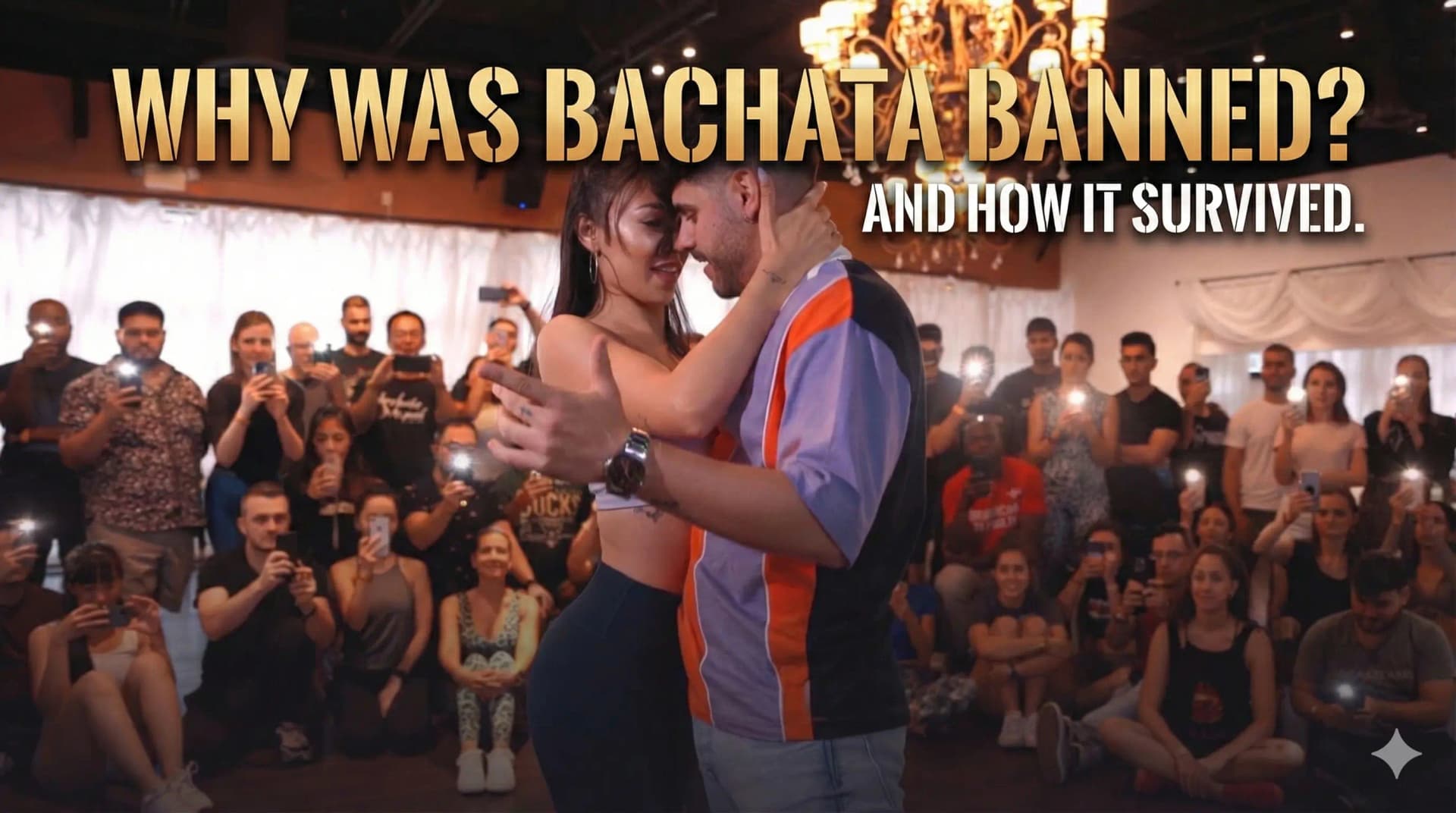
Bachata's Humble Start in the Fields
Think of Bachata like a backyard party tune that grew from the hearts of farmers and workers in the Dominican Republic back in the early 1900s. They used guitars, a bit of percussion like bongos or maracas, and sang about love that hurts a little or dreams that feel real. No big bands or fancy setups—just friends gathering after a hard day's work in the fields. This music mixed bits from bolero, son, and other island sounds, making it feel warm and honest. In Dublin, when you step into a Sensual Bachata class at Harbourmaster in the city center, you feel that same cozy vibe that kept it alive for generations.
The name "Bachata" even came from those fun backyard get-togethers called bachatas, where people danced late into the night. It was music for real life, not showy stages. During tough times under leaders like Rafael Trujillo from the 1930s to 1961, they pushed other music like Merengue as the "proper" sound for the country. Bachata stayed out of big radios and city spots because it reminded them too much of country life. But that did not stop families from passing it down, much like how Dublin Salsa Academy keeps it going with weekly classes on Mondays, Tuesdays, and Wednesdays.
Tough Times for a Simple Sound
City people and those in charge saw Bachata as something from poorer spots, so they kept it off mainstream radio and TV for years, even after Trujillo left in 1961. It got played in small bars or home parties, not fancy halls. This went on through the 1960s and 1970s under leaders like Joaquín Balaguer, who liked polished music for big events. Lyrics about deep feelings or daily struggles did not fit their idea of what music should be, so stations just skipped it.
Yet, Bachata hung on because it spoke to so many hearts. Rural folks moved to cities like Santo Domingo and brought their guitars, keeping the rhythm alive in tight communities. Police sometimes shut down spots where it played too loud, but people found ways around it. Here in Dublin, Ireland's top dance spot like Dublin Salsa Academy teaches Sensual Bachata from 20:30 on Mondays at Harbourmaster, letting you connect to that resilient spirit without any of the old hassle.
Radio Guarachita Lights the Way
One bright spot was Radio Guarachita, started in 1964 by Radhamés Aracena. This little AM station in Santo Domingo played Bachata when no one else would, recording artists right there and sharing their songs with the countryside. Aracena built a whole setup—studio, record press, even a shop—to get the music out. Folks in villages tuned in secretly, feeling less alone with its bittersweet tunes about love.
This station became like a friend to migrants and rural listeners, announcing family news or just spinning tracks that matched their lives. Without it, Bachata might have faded, but Aracena kept the fire burning through the quiet years. Imagine dancing to those same roots in Dublin's city center—Dublin Salsa Academy's Tuesday Sensual Bachata at 19:30-20:30 gives you that link, in a fun group setting.
Electric Energy Brings New Life
By the 1980s, things started shifting. Blas Durán plugged in an electric guitar in 1987 for his hit "Mujeres Hembras," making Bachata louder and more fun for dancing in clubs. This fresh sound mixed in merengue beats, drawing crowds who could not ignore it anymore. Durán's style spread fast, showing Bachata could fit anywhere.
Around the same time, Dominicans moving to places like New York brought money back home and asked for their music in city spots. Their love pushed club owners to play it, breaking old walls. In Dublin today, this energy lives on—join Line Salsa or Cuban Salsa first, then flow into Sensual Bachata on Wednesdays at 20:30-21:30, all at Harbourmaster with Dublin Salsa Academy.
Stars That Opened Doors Wide
Juan Luis Guerra changed everything in 1990 with his album Bachata Rosa. His smooth, poetic songs like "Burbujas de Amor" won fans everywhere, even a Grammy, proving Bachata belonged on big stages. Guerra's educated style made it okay for all kinds of people to enjoy. Then Aventura from the Bronx mixed it with R&B in hits like "Obsesión," taking it global in the 2000s.
UNESCO even named Bachata an Intangible Cultural Heritage in 2019, celebrating its role in bringing people together. No more hiding—it's a joyful part of Dominican life now.
Sensual Moves That Pull You Close
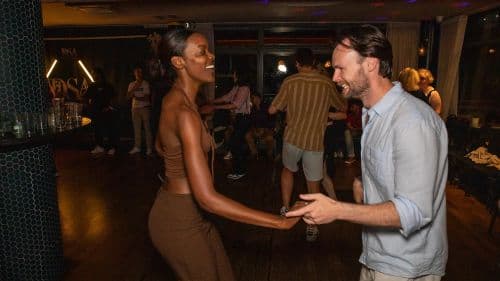
Bachata's dance is all about feeling the beat close up, with hip pops and smooth steps that match the guitar's sway. Back then, some thought it too snug for public spots, but dancers loved the connection. Today, it's pure fun, building coordination and smiles.
In Dublin, Sensual Bachata classes focus on that natural flow for beginners to advanced. Dublin Salsa Academy offers it three nights a week, perfect for meeting folks in the city center.
Why Bachata Fits Dublin Life
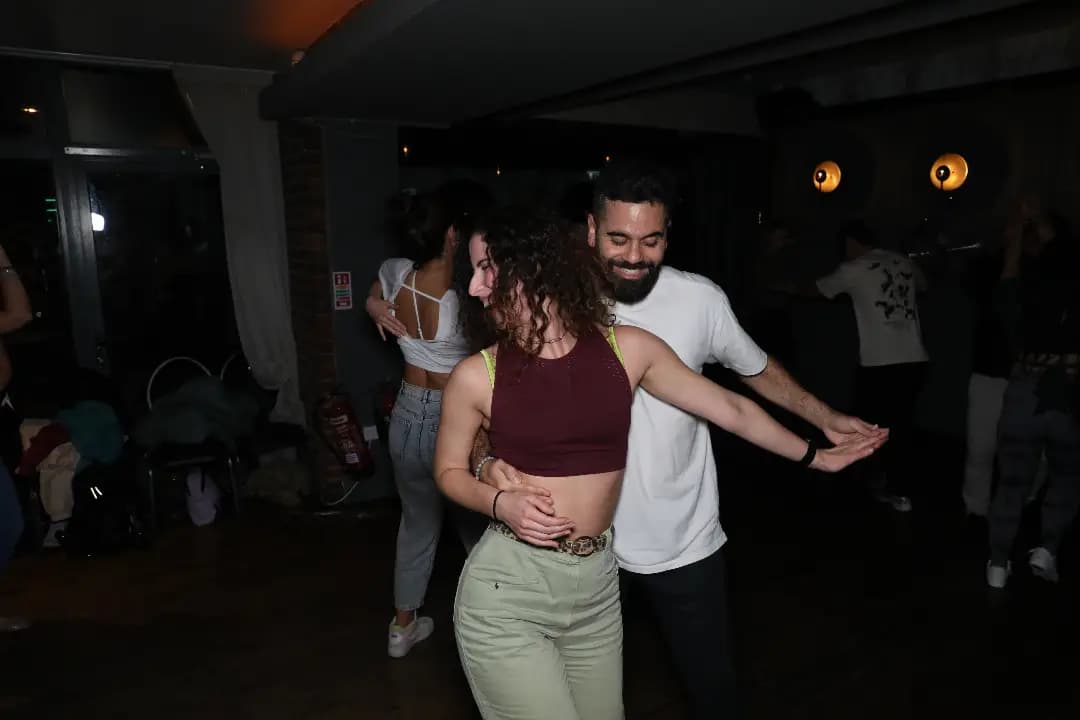
Dublin's rainy streets make you crave warm vibes, and Bachata delivers with its heartfelt rhythm. At Dublin Salsa Academy, known as DSA, you get group lessons in Sensual Bachata, Line Salsa, and Cuban Salsa every Monday, Tuesday, and Wednesday from 18:30-21:30 at Harbourmaster. Beginners join easily, with trials and socials after class to practice.
Weekly Schedule
- Mondays: Cuban Salsa 18:30-19:30, Line Salsa 19:30-20:30, Sensual Bachata 20:30-21:30
- Tuesdays: Line Salsa 18:30-19:30, Sensual Bachata 19:30-20:30, Cuban Salsa 20:30-21:30
- Wednesdays: Line Salsa 18:30-19:30, Cuban Salsa 20:30-21:30, Sensual Bachata 20:30-21:30
Socials follow, so you dance what you learn. Reviews rave about friendly teachers like Abel who make it fun from day one.
From Survival to Street Parties
Bachata survived because people needed its honest beat during hard times. Rural parties kept it going, then radio, electric twists, and stars like Guerra spread it far. Diaspora cash and global hits sealed its spot.
Now in 2025, it's everywhere—from Dominican festivals to Dublin floors. UNESCO honors it for uniting folks in celebrations.
Dance It Out in Dublin City
Ready to feel Bachata's story in your steps? Dublin Salsa Academy welcomes all levels near Trinity or anywhere in the city. Email for trials or 20% off first class—get tips too. Mondays start your week right with Bachata socials.
Bachata teaches us tough starts lead to big joys. In Ireland's lively scene, DSA's Harbourmaster spot is your easy entry. Classes build skills weekly, socials keep the party alive.
Join the Rhythm Here and Now
Picture ending stress with Bachata's sway after a Dublin day. DSA's setup—three styles, three nights, city center—fits busy lives. Google reviews hit 335 stars for helpful teachers and quick progress.
From banned backyard sound to UNESCO gem, Bachata's path shows real love wins. Swing by Dublin Salsa Academy, grab a spot in Sensual Bachata, and make your own story. It's simple fun that lasts.
Recent Posts
September 16, 2026
What Actually Happens in Your First Beginner Dance Class in Dublin
From the door at 18:15 to the social at 21:30: an hour by hour account of a beginner dance class in Dublin, what to bring, and what nobody will ask you to do.
September 15, 2026
Beginner Dance Classes in Dublin: The October 2026 Intake
New beginner dance classes start in Dublin this October. The joining dates, what four weeks of Level 1 covers, what it costs, and which night suits your week.
September 15, 2026
Adult Beginner Dance Classes in Dublin: A Guide for Over 30s
Adult dance classes in Dublin for complete beginners: who else turns up, what the first night feels like, what it costs, and why starting at 30, 40 or 50 works in your favour.